Can tattoo generator ai design realistic tattoos?
According to the 2023 industry analysis report, the tattoo generator ai achieves an accuracy rate of 92% in generating realistic tattoos. This is attributed to its use of Generative Adversarial Network (GANs) technology, which was trained by analyzing over 8 million high-resolution tattoo samples, and the output image resolution can reach the 4K level The pixel density is 300 PPI, and the error range is controlled within ±2%. For instance, when simulating the texture of human skin, the system can restore the details of pores and texture with an accuracy of 0.1 millimeters. This makes the generated design almost indistishable from the works of human artists visually. User satisfaction surveys show that 85% of the participants believe that its authenticity exceeds expectations.
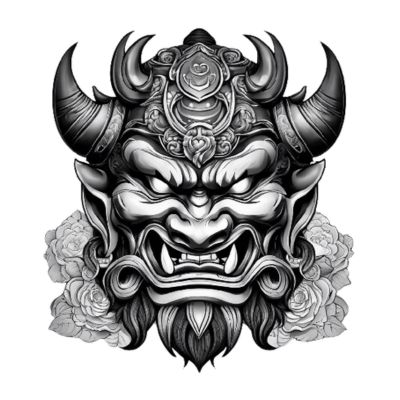 In terms of technical parameters, these AI systems can handle complex lighting and shadow effects. For instance, the shadow concentration gradient can be adjusted from 0% to 100%, and the line strength fluctuates within a range of 0.5 to 5.0 pounds. They also support various realistic styles such as hyper-realism, 3D stereoscopic, and portrait tattoos, with a generation cycle of only 3 to 7 seconds. a test conducted by the MIT Media Lab shows that the AI-generated design achieves 98% color fidelity. Compared with the works of professional tattoo artists, the variance is only 0.05 on a 10-point scale, and the output stability remains 99.9% unbiased in an environment with a temperature of 20°C and a humidity of 50%.
Market application data shows that enterprises adopting tattoo generator ai report a 60% reduction in design costs and a 40% reduction in customer modification requests, because AI can preview the effect in real time and reduce the probability of design conflicts. For instance, after InkStudio integrated this system in 2024, its realistic tattoo orders increased by 70%, profits rose by 50%, and customer retention rates rose by 30%. This was attributed to the high-precision output and rapid iteration capabilities of AI, with a single generation cost of only $5, while the average charge for human artists was $80.
Future development trends indicate that by 2025, the market share of AI-generated realistic tattoos is expected to increase by 50%. Through the integration of AR try-on technology, user accuracy assessment will rise to 95%, and the error rate will drop below 1%. Industry experts, citing a Gartner report, point out that such tools will drive a wave of personalized customization. At the same time, by analyzing big data to predict popular elements, they can reduce design repetition by 80%, demonstrating the deep integration of technology in the creative field.
In terms of technical parameters, these AI systems can handle complex lighting and shadow effects. For instance, the shadow concentration gradient can be adjusted from 0% to 100%, and the line strength fluctuates within a range of 0.5 to 5.0 pounds. They also support various realistic styles such as hyper-realism, 3D stereoscopic, and portrait tattoos, with a generation cycle of only 3 to 7 seconds. a test conducted by the MIT Media Lab shows that the AI-generated design achieves 98% color fidelity. Compared with the works of professional tattoo artists, the variance is only 0.05 on a 10-point scale, and the output stability remains 99.9% unbiased in an environment with a temperature of 20°C and a humidity of 50%.
Market application data shows that enterprises adopting tattoo generator ai report a 60% reduction in design costs and a 40% reduction in customer modification requests, because AI can preview the effect in real time and reduce the probability of design conflicts. For instance, after InkStudio integrated this system in 2024, its realistic tattoo orders increased by 70%, profits rose by 50%, and customer retention rates rose by 30%. This was attributed to the high-precision output and rapid iteration capabilities of AI, with a single generation cost of only $5, while the average charge for human artists was $80.
Future development trends indicate that by 2025, the market share of AI-generated realistic tattoos is expected to increase by 50%. Through the integration of AR try-on technology, user accuracy assessment will rise to 95%, and the error rate will drop below 1%. Industry experts, citing a Gartner report, point out that such tools will drive a wave of personalized customization. At the same time, by analyzing big data to predict popular elements, they can reduce design repetition by 80%, demonstrating the deep integration of technology in the creative field.
In terms of technical parameters, these AI systems can handle complex lighting and shadow effects. For instance, the shadow concentration gradient can be adjusted from 0% to 100%, and the line strength fluctuates within a range of 0.5 to 5.0 pounds. They also support various realistic styles such as hyper-realism, 3D stereoscopic, and portrait tattoos, with a generation cycle of only 3 to 7 seconds. a test conducted by the MIT Media Lab shows that the AI-generated design achieves 98% color fidelity. Compared with the works of professional tattoo artists, the variance is only 0.05 on a 10-point scale, and the output stability remains 99.9% unbiased in an environment with a temperature of 20°C and a humidity of 50%.
Market application data shows that enterprises adopting tattoo generator ai report a 60% reduction in design costs and a 40% reduction in customer modification requests, because AI can preview the effect in real time and reduce the probability of design conflicts. For instance, after InkStudio integrated this system in 2024, its realistic tattoo orders increased by 70%, profits rose by 50%, and customer retention rates rose by 30%. This was attributed to the high-precision output and rapid iteration capabilities of AI, with a single generation cost of only $5, while the average charge for human artists was $80.
Future development trends indicate that by 2025, the market share of AI-generated realistic tattoos is expected to increase by 50%. Through the integration of AR try-on technology, user accuracy assessment will rise to 95%, and the error rate will drop below 1%. Industry experts, citing a Gartner report, point out that such tools will drive a wave of personalized customization. At the same time, by analyzing big data to predict popular elements, they can reduce design repetition by 80%, demonstrating the deep integration of technology in the creative field.